January 23, 2026
When it comes to protecting and enhancing your home, choosing the right exterior siding is one of the most important decisions you can make. Siding replacement not only improves your home's curb appeal but also safeguards it from harsh weather, moisture damage, and energy loss, while providing an opportunity to update your home’s overall look and style.
Homeowners often face the question of whether to choose vinyl or wood siding, each with distinct advantages and considerations. Understanding the benefits, lifespan, maintenance requirements, and costs of these materials can help you make an informed decision for your home, ensuring lasting beauty, durability, and increased property value for years to come.
Comparing Longevity and Durability
When deciding on siding replacement, longevity and durability are crucial factors to consider. Vinyl siding is widely recognized for its long-lasting performance with minimal maintenance. Its resistance to moisture, pests, and warping makes it ideal for homes in regions with extreme weather or high humidity. According to The Spruce, vinyl siding generally has a lifespan of 30 to 40 years, and with consistent upkeep, it can last more than 60 years. With proper care, vinyl siding can last decades without losing its aesthetic appeal.
Wood siding, while highly durable when properly maintained, has more vulnerabilities. Exposure to moisture, sunlight, and insects can gradually damage the material, requiring regular upkeep. Homeowners must be vigilant with inspections, sealing, painting, and treating the wood to maintain its appearance and structural integrity. While wood siding can last for many years, vinyl siding often outperforms it in terms of maintenance-free durability and long-term resilience, making it a reliable option for siding replacement projects.
Comparing Maintenance Requirements
Maintenance is one of the most significant differences between vinyl and wood siding. Vinyl siding requires minimal upkeep. Homeowners typically need only occasional cleaning with a mild detergent and water to remove dirt, mildew, and debris. The low-maintenance nature of vinyl is a major appeal for busy homeowners or those who prefer a hassle-free exterior. Because it doesn't require painting or staining, vinyl siding offers a consistent look for years without the added cost or labor of regular upkeep.
In contrast, wood siding demands consistent attention. To prevent rot and insect damage, it must be periodically painted or stained, usually every few years depending on climate and exposure. Homeowners must also inspect for water damage, cracks, and splits to avoid costly repairs. Although wood siding provides a natural and elegant aesthetic, the time and financial investment required for maintenance is higher than that of vinyl. For homeowners seeking a low-maintenance siding replacement, vinyl is often the more practical choice.
Comparing Aesthetic Appeal and Customization
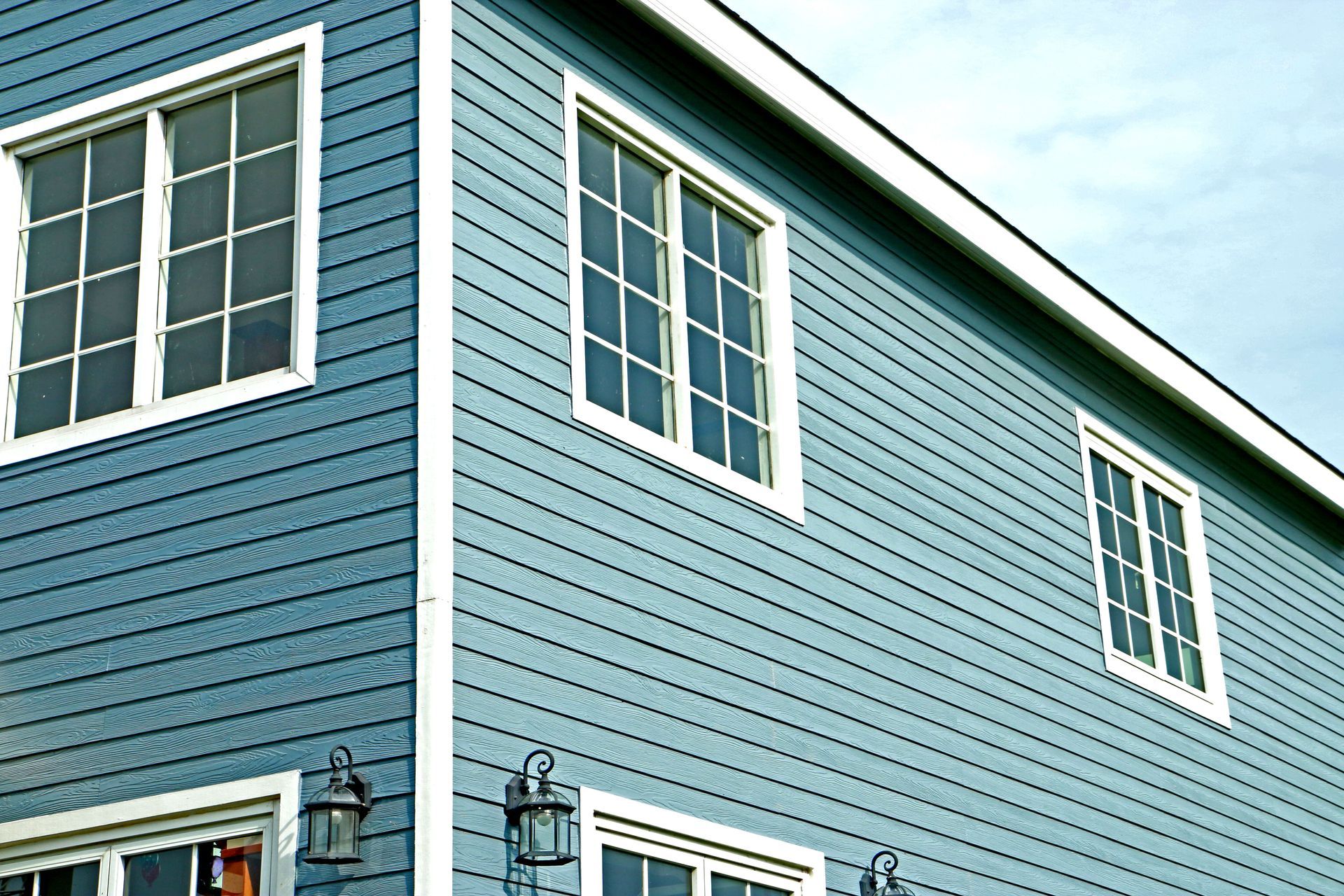
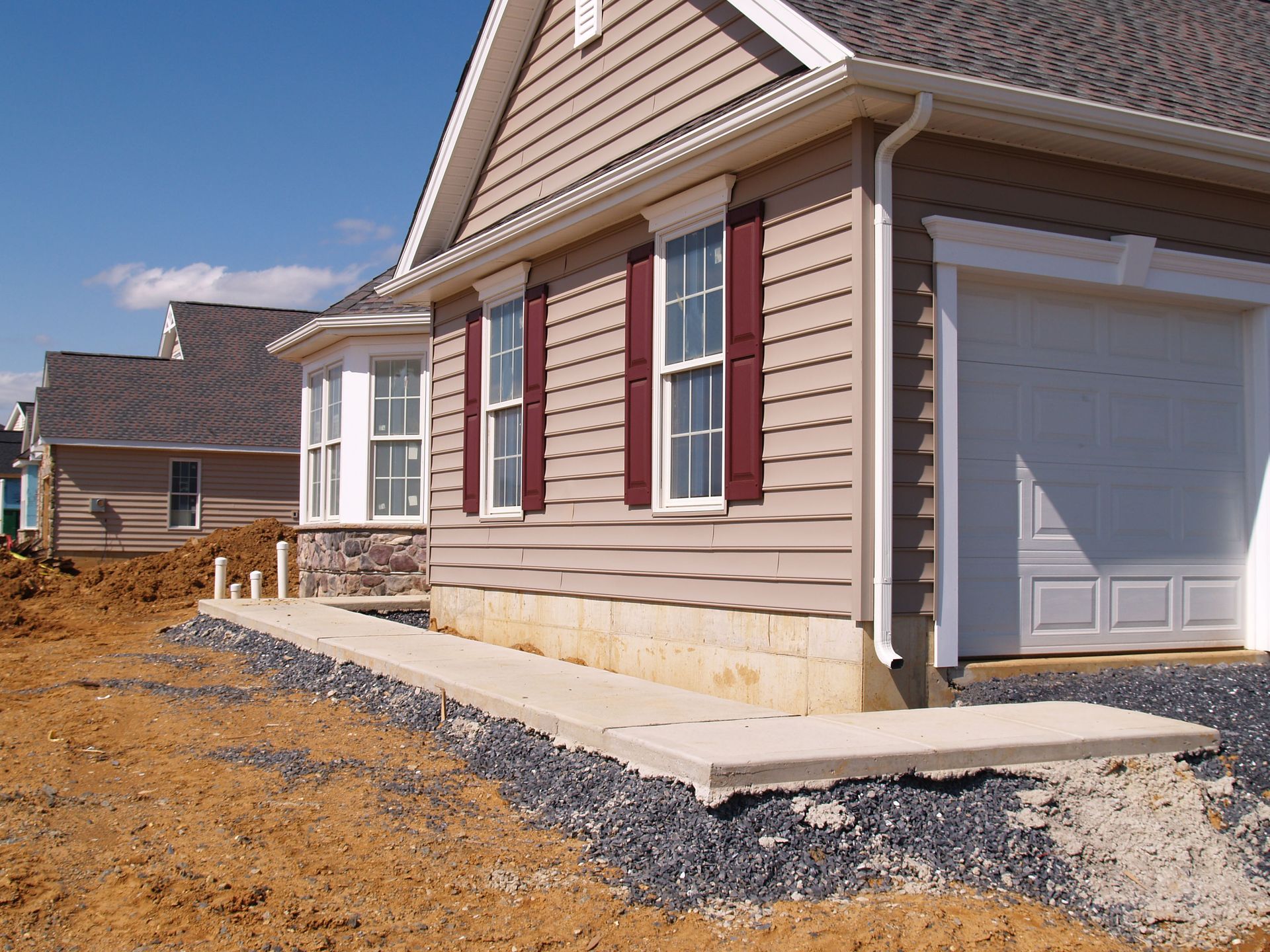
Aesthetics play a central role in siding replacement decisions, as the right exterior siding can significantly enhance a home's curb appeal. Vinyl siding offers a wide variety of colors, textures, and profiles that mimic the look of wood, shake, or other traditional siding materials. Homeowners can achieve the appearance they desire without sacrificing durability or easy maintenance. Vinyl also resists fading, so the chosen color remains vibrant for many years.
Wood siding, on the other hand, provides a unique, natural look that vinyl can't completely replicate. The rich texture, grain, and warmth of wood create a classic charm that appeals to homeowners who value authenticity and timeless design. Wood siding allows for greater customization through painting and staining, making it possible to match specific architectural styles or personal preferences. While vinyl can imitate the look of wood, true wood siding offers a distinct aesthetic that some homeowners find irreplaceable.
Comparing Environmental Impact and Sustainability
Environmental considerations are increasingly important in siding replacement decisions. Vinyl siding is made from polyvinyl chloride, a type of plastic that is durable but derived from nonrenewable resources. Its production and disposal can have environmental impacts, though many manufacturers now offer recyclable vinyl products. Vinyl siding is energy efficient, and its longevity can reduce the need for frequent replacement, contributing to sustainability over time.
Wood siding is a renewable resource that can be harvested responsibly from sustainably managed forests. It's biodegradable and can have a lower environmental impact than vinyl if sourced and maintained properly. However, the regular maintenance requirements, such as painting or sealing, may introduce chemicals that affect its eco-friendliness. Homeowners concerned with sustainability may weigh the natural benefits of wood against the low-maintenance, long-lasting properties of vinyl when considering siding replacement.
Comparing Costs and Return on Investment
Cost is always a key factor in siding replacement decisions. Vinyl siding is generally more affordable both in material and installation costs. Its low-maintenance nature also reduces ongoing expenses, making it a cost-effective choice for many homeowners. Because vinyl siding can last for decades without significant repairs, it offers excellent long-term value.
Wood siding typically has higher upfront costs due to material and installation expenses. Additionally, ongoing maintenance such as painting, staining, and inspections adds to the total cost of ownership over time. While wood siding can increase a home’s aesthetic appeal and market value, homeowners must consider the financial commitment associated with its care. For those seeking a balance of affordability, durability, and low maintenance, vinyl siding is often the preferred choice.
Making the Right Choice
Choosing between vinyl and wood siding for your siding replacement depends on your priorities, lifestyle, and budget. If you want a low-maintenance, long-lasting exterior with a wide range of design options, vinyl siding may be the best fit. Its durability, energy efficiency, and minimal upkeep make it ideal for homeowners seeking convenience and value.
If your priority is achieving a classic, natural look with customization options and you're willing to invest time and effort into maintenance, wood siding is an excellent choice. Its warmth and timeless charm can elevate the aesthetic of your home, though it comes with higher upkeep and potential cost over time. Both materials can enhance your home’s beauty and protection, making siding replacement a valuable investment for any property.
Planning Your Project
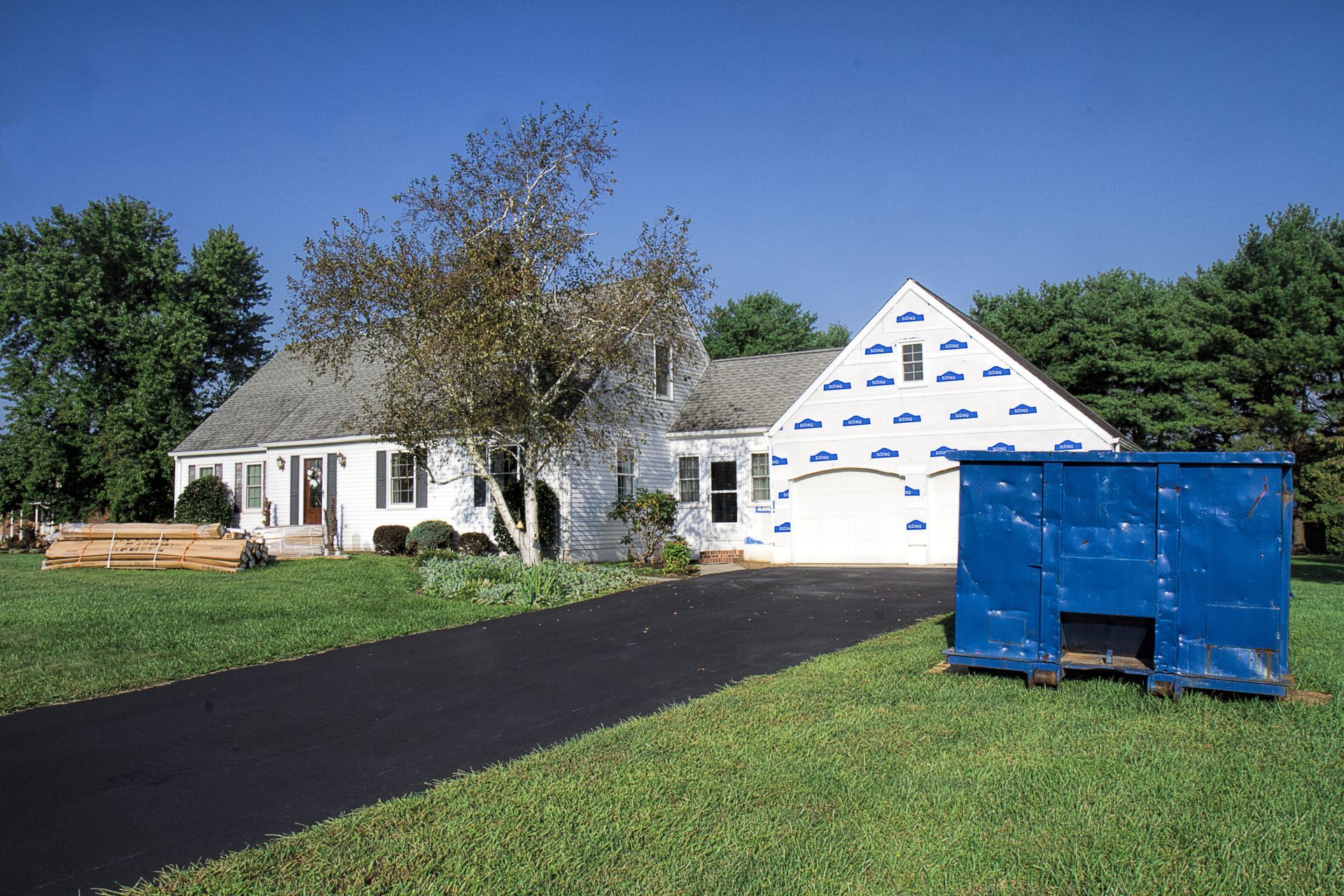
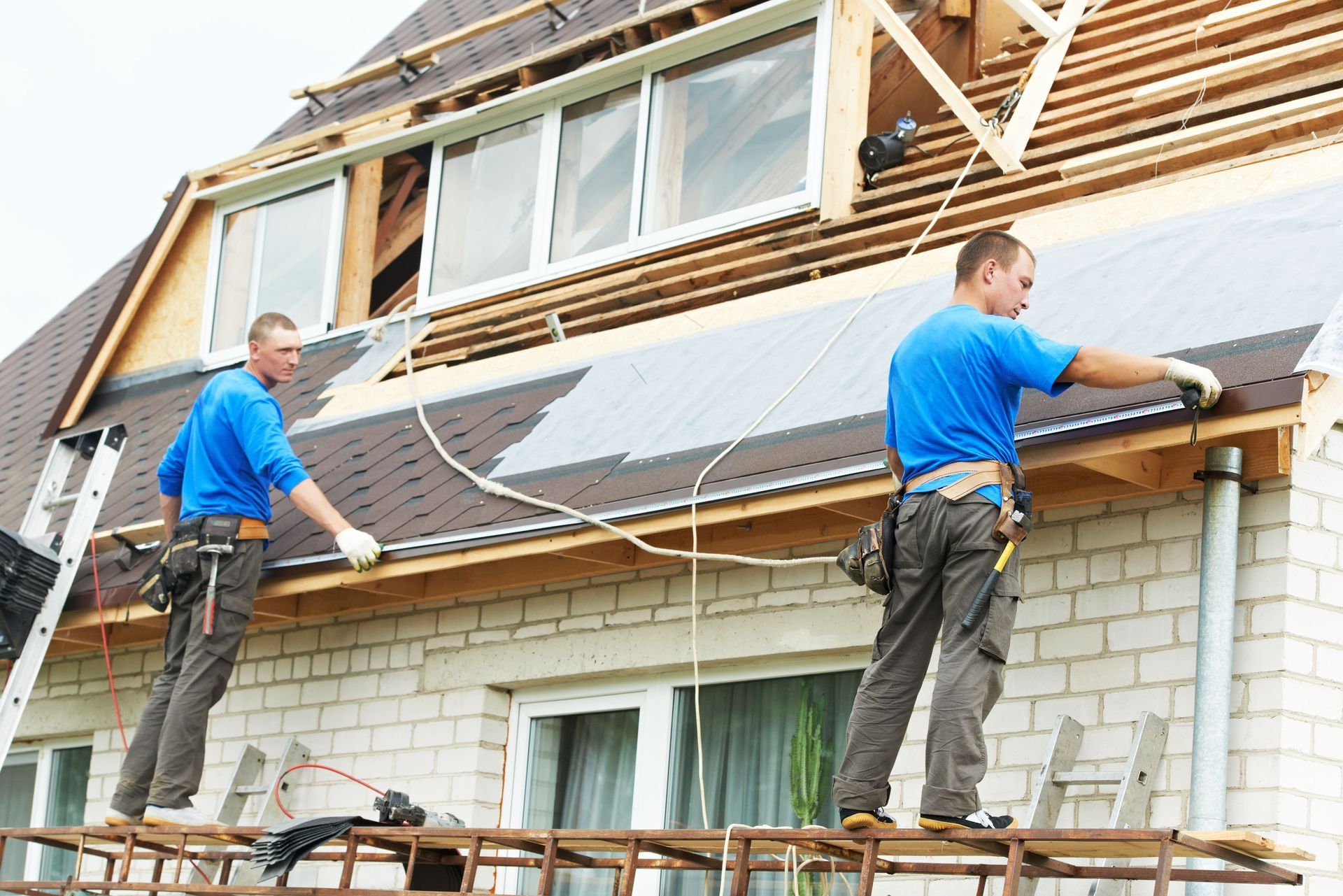
Proper planning is essential for a successful siding replacement. Start by assessing your home’s condition, budget, and desired style. Consider consulting with a professional siding company to evaluate your options and provide expert recommendations. A trusted contractor can help you choose the right material, color, and installation method for your home, ensuring the project meets both your functional and aesthetic goals.
Additionally, consider the long-term maintenance and durability of each siding type. Vinyl siding may be more suitable for homeowners who want a low-maintenance solution, while wood siding appeals to those seeking a natural, elegant appearance and are prepared for regular upkeep. Understanding these factors can guide you in making an informed decision that aligns with your lifestyle and enhances your home’s value.
When it comes to siding replacement, both vinyl and wood siding offer unique advantages. Vinyl siding provides low-maintenance durability, energy efficiency, and a wide range of design options, making it a practical choice for many homeowners. Wood siding delivers timeless beauty, natural texture, and extensive customization possibilities, appealing to those who value classic aesthetics and are willing to commit to regular upkeep.
Ultimately, the right choice depends on your personal preferences, budget, and long-term goals. Whether you prioritize convenience and longevity or natural elegance and customization, a thoughtful siding replacement can significantly enhance your home’s appearance, comfort, and value. For expert guidance and professional installation of vinyl or wood siding, contact A&J Siding & Gutters today to schedule a consultation and elevate your home’s exterior.